


Description
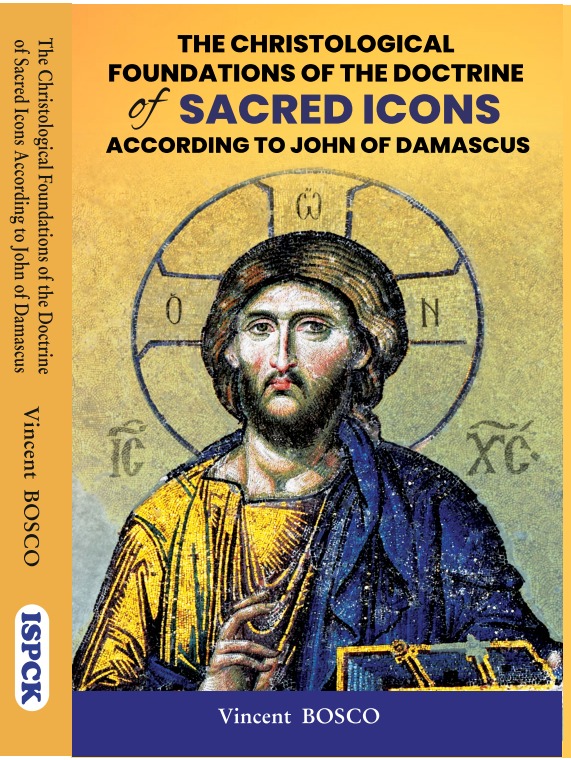
The significance of icons in our faith cannot be overstated. They are deeply rooted in the mystery of Christ’s Incarnation and His Paschal events. As St. Paul reminds us, Jesus is the visible icon of the invisible God (cf. Col 1:15). This book, originally a doctoral thesis, brings out the arguments of John of Damascus, justifying the depictions and venerations of icons against the iconoclastic controversy, a significant chapter in Byzantine history, which is generally divided into two distinct phases: the first spanning 730-787 ad. and the second occurring between 814-843 ad. In response to the first phase of iconoclasm, John of Damascus stood as a leading voice in the defense of icon veneration. Divided into six chapters, the book presents the arguments for the icons, the arguments of the iconoclasts and the stubborn iconoclastic stand of two emperors: Leo III and his son Constantine V. The first chapter prepares the readers with a panoramic vision of the icons. The second presents the historical, political, and structural structure of John of Damascus’ three Orations on sacred icons. The following three chapters present John’s arguments and his methodology to respond to the iconoclastic arguments. The final chapter analyses John’s reliance on the writings of the patristic florilegia. The readers will find a pendulum effect of the arguments for and against the icons. Often, believers find an inner oscillation for and against icons. Hence, this book will undoubtedly provoke meaningful reflection and discussion among its readers. By engaging with this text, readers will not only gain knowledge but also a deeper appreciation for the sacred icons that have been an integral part of Christian worship and devotion throughout the centuries.

Reviews
There are no reviews yet.